
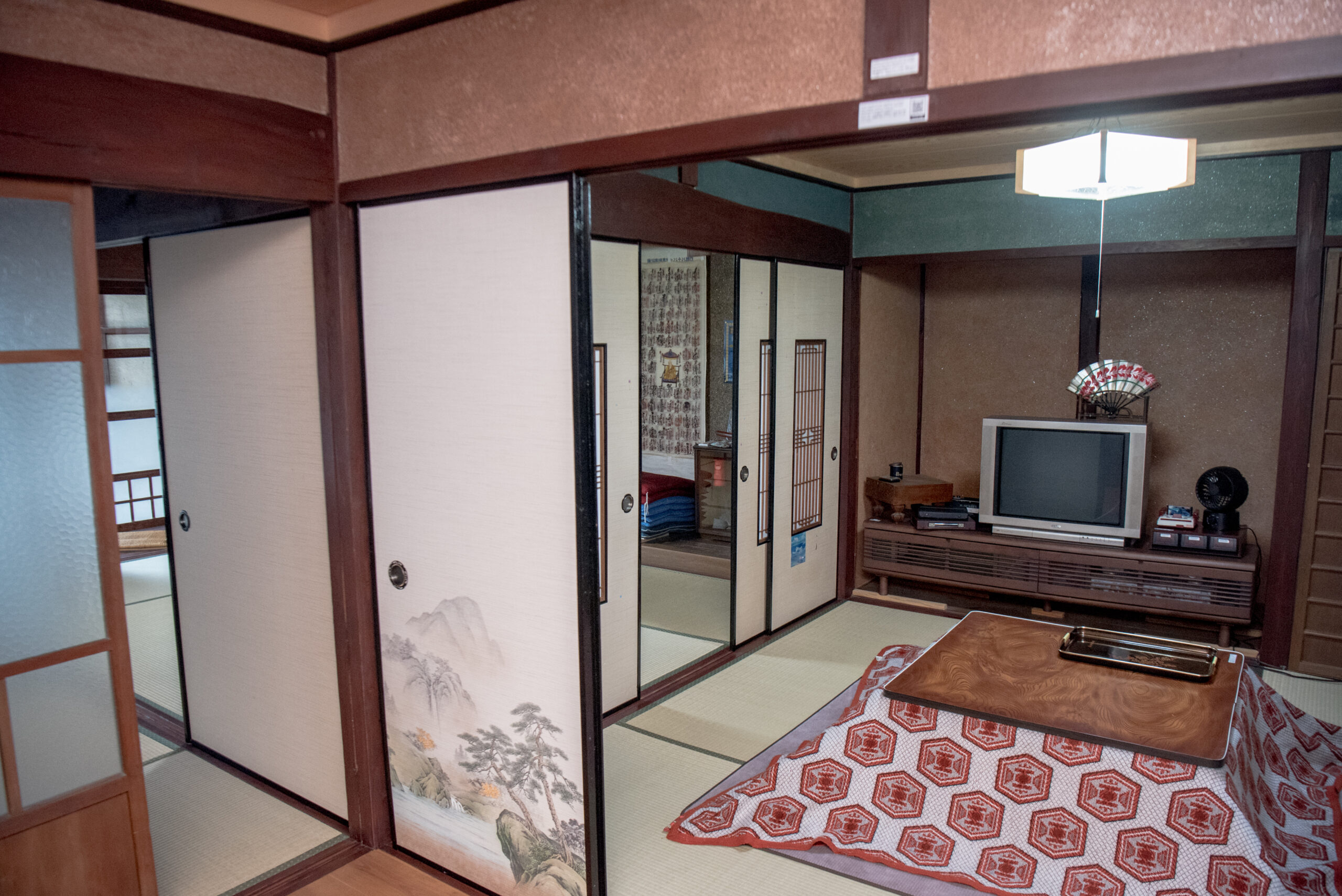
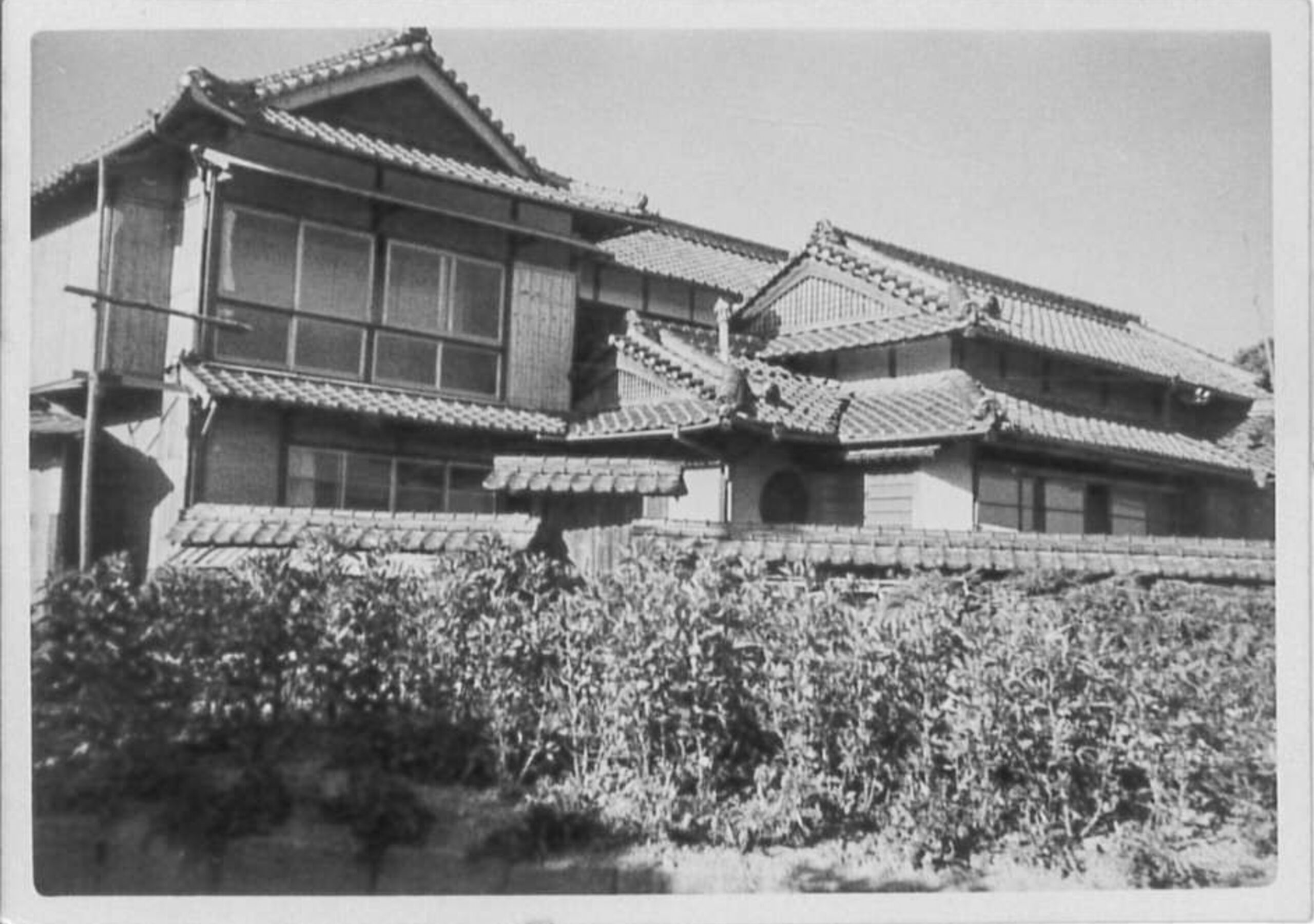
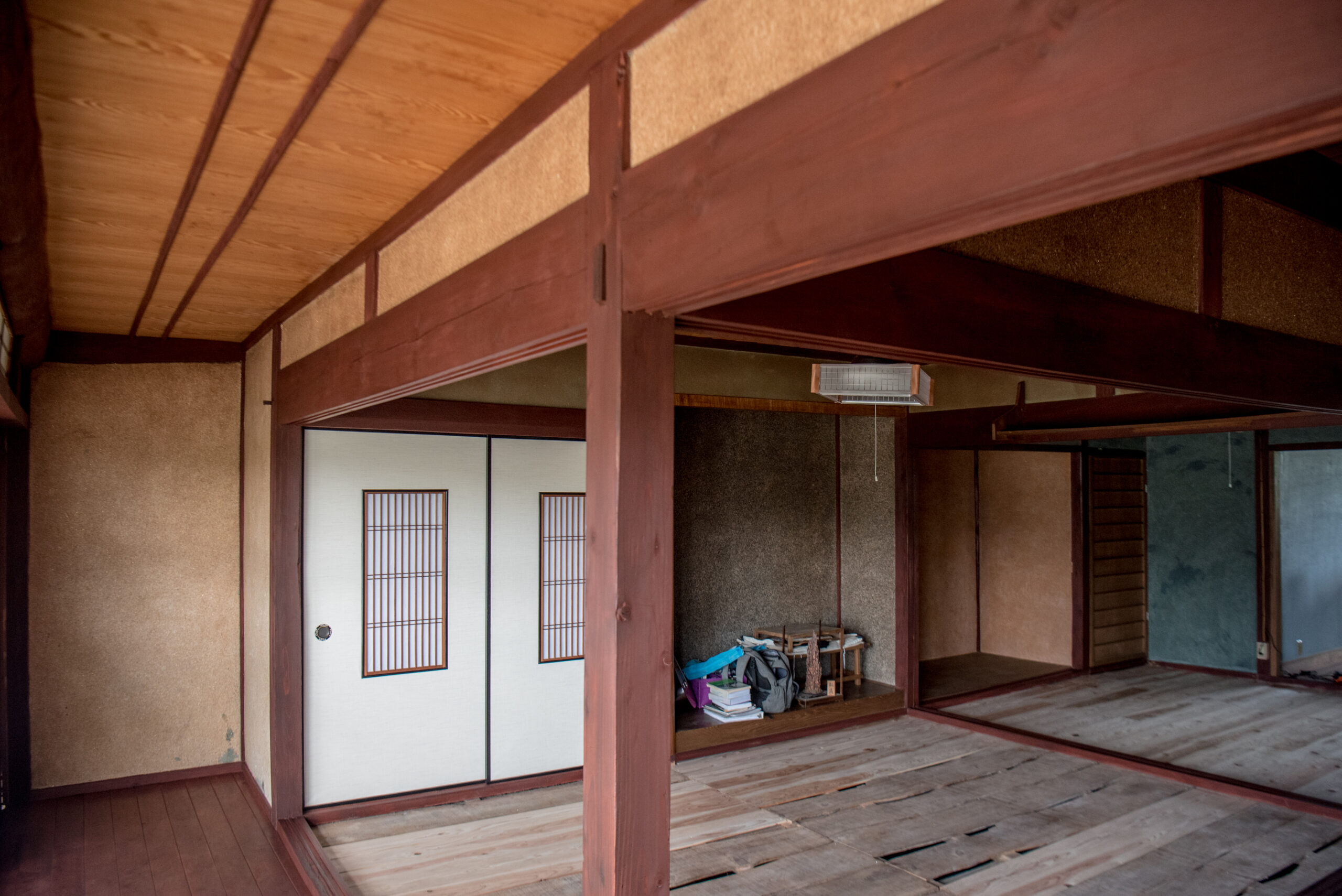
Well friends, here we are at the end of another year for Benton Guesthouse on Ōmishima island. Time continues to fly by so quickly! We purchased this house, which had been abandoned for 10 years, immediately after arriving on this little island in the middle of the Shimanami Kaido nearly 3 years ago. Now this house has a whole new life, while honoring its history, and has been welcoming guests from all over the world for 24 months! I’ve been anticipating this video for some time now, because I’m really excited to start crunching numbers. We’ve got surprising data to share with y’all today.
We decided at the beginning of this adventure to become an “open book” resource, and will continue to share information, as long as it continues to be helpful. I was hesitant to start sharing our personal experience so publicly, but we started getting overwhelmingly positive feedback immediately. It’s pretty clear that these kinds of immigration and business details are appreciated! So, while it takes a lot of time to create content like this, I’m happy to do so.
If you prefer to listen to your content, we can read through the blog together with our YouTube video ⌄
For this two-year guesthouse financial update, I’ll be referring heavily to my previous long-form blogs from one year ago, Japan Data: First Year of Benton Guesthouse, and one year before that, Japan Data: “Akiya to AirBnB” General Process & Total Expense. We’ll look at guest statistics, annual income, annual and monthly expenses, additional renovation expenses, and put it all together for a revised timeframe to recoup our investment. Any guesses?


Some Preliminary Thoughts »
Who are we, and what is Benton Homestead? Just in case this blog attracts new folks who haven’t been following our story from day one, here’s a very brief introduction: We are Evan and Dani Benton. We are two Americans who grew up in small town Dallas, Oregon; lived for five years in New Orleans, Louisiana; then left the US behind for Mexico, and now Japan, where we hope to keep our roots planted forever.
We chose the Shimanami Kaido area and Ōmishima island for many reasons: tourism, climate (no snow), and a nice balance of countryside life with easy access to bigger cities. We purchased two ‘akiya’ properties. The house that is now Benton Guesthouse was abandoned for 10 years, and purchased for ¥1,000,000 ($7,500). The house we live in, just around the corner, was abandoned for an unbelievable 40 years, and purchased for ¥2,800,000 ($18,000), as the property included additional plots of forest and farmland. We live a very rustic life, as we have still not begun renovations on our own house, instead choosing to focus almost exclusively on growing our small business.
We live in Japan thanks to the Business Manager visa, which means that our residency is essentially tied to the success of our business: ベントン ホームステッド, a Japanese ‘kabushikigaisha’ corporation. We initially received the Startup visa thanks to Imabari city’s approval of our business plan, which includes Benton Guesthouse, honeybees, and natural farming. Our business development has evolved to welcome additional related demands, including local real estate translation and general immigration consulting and this YouTube channel.
If you’ve been following the recent news, you know that Japan’s Business Manager visa requirements were dramatically revised. Our small blue-collar business was meeting the former requirements, but now, we’ve been given a three year “grace period” to meet the new, much more challenging requirements. Of the five major changes, we already meet three of them: Japanese language certificate, business management experience, and professional review of business plan. However, we are currently working very hard to revise our business plan, in order to meet the new 600% increased capital funding requirement, along with hiring a full-time employee.
In order to meet the new visa goals within the next three years, we will be adding some new pillars to our business. These are primarily parts of our business that we planned to add in five years or so. But the visa changes have moved that date closer to the present. We will spend this winter finishing renovations to our future Retro Shop and Roadside Farm Stand. And we can’t announce all the details yet, but we will be bringing Mexican food to Japan, including possibly tacos, tortillas, horchata, hot sauce, chips, and salsas. Many more updates will be coming soon, as we finalize our plans on the coming months.
I say all this to illustrate that Benton Guesthouse is very much an essential piece of our business, but it’s not our entire business. We are much more than just a short-term rental business.


When did Benton Guesthouse open? Benton Guesthouse opened at the end of November 2023, right at the tail end of our 6-month Startup visa period. We were delighted to receive our first booking within 6 hours of publishing our listing! Then we hosted our first guests just 4 days later: a Japanese family cycling the Shimanami Kaido. I’ve seen a strange rumor on ocial media hat our first booking happened so quickly because it was a friend or relative, but that’s untrue.
We use December 1 to November 30 as our calendar year. Benton Homestead’s corporate fiscal year runs August 1 to July 31. So we can use these separate data sets as two ways to look at the numbers.
What sort of rental license does Benton Guesthouse have? We are happy to have a ‘Ryokan’ hotel license. That means we’re held to additional standards, and can operate 365 days a year.
Where did guests travel from? In our second year of operation, we continued to host guests from all over the world: Japan of course, along with many countries throughout Europe, Asia, North America, and Australia. I didn’t count exactly how many countries, but I think we’re over two dozen; the most common countries were: Germany, France, Spain, Australia, Canada, Netherlands, and UK.
Second Year Guesthouse Data » Based on Calendar Year
(December 1, 2024 to November 30, 2025)
124 Total Bookings / Year 1: 80 / Increase of 44 / +55%
- 104 Inbound Traveler Groups (tourists or foreigners with Japan residency) / 84%
- 20 Domestic Traveler Groups (Japanese nationals) / 16%
- Interesting to note that most of our Japanese groups booked through AirBnB. This may be due to AirBnB’s current advertising campaign in Japan, increasing the number of Japanese travelers using their platform.
416 Total Guests / Year 1: 169 / Increase of 247 / +146%
- 105 Cycling Groups (349 Cyclists) / 84%
- Year 1: 84 Cyclists / Increase of 265 / +215%
- 15 Driving Groups (43 Guests) / 10%
- Year 1: 77 Driving Guests / Decrease of 34 / -44%
- 7 Other Groups (24 Guests) / 6%
- Year 1: 8 Other (Bus, Ferry, Walking) / Increase of 16 / +200%
- Interesting to note that almost all of the driving groups were Japanese guests.
Booking Group Size
- 3 Guests was our average / Year 1: 2 Guests average / +1
- 1 Guest was the smallest / This remains the same
- 8 guests was the largest / Year 1: 6 Guests largest / +2
- Since the addition of a third air conditioning unit in the upstairs bedroom this year, plus the upcoming addition of a fourth unit in the kitchen, and adding a second toilet room, we have increased our maximum group size from 6 to 10 guests. If we can continue to increase our average number of guests per night, we can increase revenue without increasing booked days. This is important, because I am only one person!
- Interesting to note that Booking had an average of 4 guests per reservation.
Booking Trip Length
- 1-night stays: 110 / This remains by far the most common
- 2-night stays: 11
- 3-night stays: 4
- 14-night stays was the longest / Year 1: 4-nights / +10 nights
Reservation Platform
- AirBnB: 60 Reservations, 89 Nights
- Booking: 62 Reservations, 65 Nights
- VRBO: 1 Reservation, 1 Night
- Agoda: 1 Reservation, 1 Night
- Interesting to note that AirBnB and Booking had almost the exact same number of reservations, and almost the exact same income over the course of the second year. But Booking tends to bring bigger groups, while AirBnB tends to bring longer stays. Curious to see how this continues to work out in our third year!


Second Year Guesthouse Income
Here are my numbers:
Please note we will only be considering the guesthouse rental income. But we also have a teeny tiny amount of other guesthouse-related income [¥31,400 ($200)] which includes the small Retro Shop and ‘mini convenience store’ inside the guesthouse. We also sold 32 honey jars to guests, but that is included separately in honey income.
TOTAL INCOME SECOND YEAR: ¥4,171,374 ($26,800)
First year of operation: ¥2,691,804 ($17,500)
That’s an increase of ¥1,479,570 / +55%
Let’s look at each month over the course of the year:
Based on our original financial goals for the guesthouse, we set a preliminary target of ¥300,000 ($2,000) per month for year one. That figure was determined by our base rate of ¥20,000 ($135) per night, with a goal of 15 booked nights per month. Over 12 months, that works out to a goal of ¥2,665,000 ($18,000). In year two, we surpassed that initial goal by about ¥1,500,000 ($9,500).
However, as our business plan and projection continues to get refined, our monthly financial goals continue to evolve. The monthly goal for year two was ¥312,000 ($2,015) per month. And year three will increase to a goal of ¥385,000 ($2,450) per month. ¥385,000 is also our business “break even” number for monthly expenses. Anything above that amount is profit.
- 6 months (greatly) exceeded our goal
- 2 months came pretty close to meeting our goal
- 1 of those months would have met our goal, but we blocked off 14 days
We definitely exceeded our expectations this year!
Since we’re dealing with multiple reservation platforms, I don’t have the nice infographics from AirBnB. But in the accompanying YouTube video, I will take a look at the spreadsheet I designed to track income per month, broken down by reservation platform, and also divided into both Calendar Year and Fiscal Year goals. Unfortunately, the spreadsheet is too large to easily view on this blog, so if you’re interested, you’ll have to check out the video.
Once again, our best month was October. What’s amazing is that our second year’s best month (¥664,000) was nearly double from our first year’s best month (¥380,000)!
The flow of this year seems to follow the flow of last year: January and February are very slow. Many local businesses close during this time of year, which is why we choose to close for renovations for the duration of February. March starts picking up, and tourist season continues solid until November, with a dip in June for rainy season, building up to a peak in October. After slowing down a little bit in December, there’s a pop of tourism again around New Years, before starting the cycle over again (pun intended).


Guesthouse Expenses » November 2023 to November 2024
Here are my numbers, broken down into a few categories:
UTILITY EXPENSES:
$2,000 – Total Utility Expenses ¥312,411.
Average of $165 per month / Year 1: Increased by $27 per month.
- Electric ¥147,535 ($950) / Year 1: Increased by $330
- Internet ¥73,359 ($470)
- Water ¥39,678 ($255)
- Gas ¥22,010 ($140)
- Kerosene ¥29,289 ($185) / Year 1: Increased by $50
ANNUAL EXPENSES:
$75 – Annual Property Tax.
$90 – Fire Alarm Inspection.
RECURRING EXPENSES:
$150 – Refills for complimentary guest items (coffee, tea, cooking basics), toiletries, and cleaning supplies.
ADDITIONAL GUESTHOUSE IMPROVEMENTS:
$1,200 – This mostly includes: the bathtub transformation and bathroom improvements; the third air conditioning & heating unit installed in the upstairs bedroom; lots of additional guest bedding to make daily turnover easier; and a bike tire pump. Note: $300 less than last year.
TOTAL EXPENSES SECOND YEAR: ¥545,000 ($3,515)
First year of operation: ¥935,000 ($6,000)
That’s a decrease of ¥390,000
All in all, our monthly, annual, and recurring expenses stayed pretty similar to our first year. I’m pleased with the average monthly utility cost, even though it went up a little, due to the additional electric heating and cooling options. The biggest reason that this year’s expenses decreased by nearly $2,500 is that we did not incur a few one-time expenses this year (Property Acquisition Tax and ‘Ryokan’ Hotel License expenses). Moving forward, our annual expenses will probably hover around $2,500.


Data Summary » Crunching the Numbers
Now that we have our second year of data, how long do we estimate it will take to recoup our investment?
Short answer: We’re almost there…!!!
Our initial investment was $38,000. This includes the house purchase, renovation, and furnishing.
The first year of operation, we spent an additional $6,000.
The second year of operation, we spent an additional $3,500.
That brings the current running total of expenses to $47,500.
The current running total of income is $44,300.
That only leaves a deficit of $3,200 before we break even!!!
Based on our current reservations, we will break even within the next two months.
Our updated estimate to recoup initial investment + all upcoming expenses is:
in December 2025 or January 2026, which will be our 25th or 26th month of operation.
It is important to note that we do have some additional renovations planned: If you saw our recent video about the small business subsidy we were awarded, you know that we have big plans this winter. The majority of the subsidy projects are for our business to expand, by turning the guesthouse garage into our Retro Shop, and expanding and improving the driveway to accommodate Retro Shop customers. The only parts of the subsidy that pertain specifically to the guesthouse itself are: the addition of a second toilet room, and the installation of a fourth and final air conditioning & heating unit in the kitchen. Both of these additions have been planned from the beginning, and should increase income by encouraging larger groups to stay more comfortably.
The total cost of these two additions is ¥1,037,800 ($6,700). The subsidy covers 2/3rds of the cost, leaving us responsible for about ¥346,000. ($2,230). This invoice will need to be paid in March, which is after our “break even” date. The amount is less than our guesthouse can generate in a good tourism month, so the additional renovation costs will only add one more month to our estimated investment recoup date.


Some Additional Thoughts
What are your thoughts on AirBnB vs. other rental platforms?
When we first started hosting at our guesthouse, I chose AirBnB because I was most comfortable with the platform, as both guest and host. I’ve used AirBnB personally for many years while traveling, and we were AirBnB Superhosts for five years at our little urban farm in New Orleans.
In speaking with some other hosts in Japan, many were cautious to host using other platforms; I was advised that Booking specifically would bring guests more accustomed to staying in hotels, and therefore not as receptive to the idea of staying in someone’s beloved guesthouse or respecting the property. So our entire first year was AirBnB only. Our second year, I knew we needed to reach a wider audience, so I added Booking to test the waters. As I mentioned earlier, Booking quickly became about half of our reservations and guesthouse income for the year. Thankfully I did not notice any less respect from Booking guests. The only difference seems to be that Booking guests generally do not communicate as frequently before arrival, but that’s not always the case.
About halfway through our second year, I also added VRBO and Agoda. But so far, have only received one reservation from each of those platforms, so we’ll have to wait and see.
How did you feel about the vacancy and turnover rate?
Great! A little too great! Some months, specifically September and October, I was cleaning the guesthouse and greeting guest groups almost every single day of the month. Now when it comes to creating target vacancy numbers, I’m learning as I go. But that seems to be a pretty clear sign that our rates could increase, at least during those peak months, in order to either 1) make all that work even more worth my exhausting schedule, or 2) decrease reservations to a more reasonable number of workdays, while at least retaining the same amount of income.
It’s loud and clear that our target market is increasingly cyclists, which is to be expected on the Shimanami Kaido. But also, the majority of groups will only want to stay one night. We will increase our efforts to encourage cyclists to spend at least two nights, to enjoy what the islands have to offer. Cycle Shimanami and Visit Shimanami and Shimanami Japan all do a great job promoting “slow travel”. this is important, because I cannot tell you how many guests express a desire to have stayed another night or two, once they realize that most of their day was spent cycling instead of enjoying the atmosphere. In fact, almost all of our guests who stay longer than one night are Shimanami return visitors, because they already did the entire cycling route in one or two days previously!
What about the increasing number of rental accommodations on the islands?
When we opened Benton Guesthouse in late 2023, we were one of only two private full-house rentals on the island, and one of very few AirBnB listings. In fact, before we purchased our property here, we had a difficult time finding a place to stay! Since then, the number of accommodations has increased by about a dozen, and even more so on AirBnB, as some of the longer-established Japanese-owned hostels and rentals added themselves to the AirBnB platform.
Since we’ve made ourselves pretty visible online, many folks (Japanese and foreign) reach out to me privately, to discuss their future plans. Many are surprised to learn that there are at least another 12 or 15 additional guesthouses scheduled to open within the next year or so. And I’m not so arrogant to think that every single person opening a rental will contact me first, so there are almost certainly even more planning to open that I don’t know about. This is a major increase!
However, as you can see by our second year numbers compared to our first year numbers, the increase in competition has not affected our reservations. At all. So far.
I am a little concerned that another doubling of rental options in this small area could affect our reservations as early as next year. My only hope is that tourism will continue to increase at the same pace as accommodations increase. If tourism demand does not increase with the number of rental supply, then the whole community of rentals will see decreased bookings and decreased income. However, on the bright side, the local Japanese business community is very friendly, and seems to have a similar understanding of my favorite buzz-word “co-opetition”. A rising tide raises all ships. The more high-quality, clean, comfortable accommodations are available, the more we all as a community benefit from increased reputation as a tourist destination.
There are two specific things that I think sets Benton Guesthouse apart from our competition: reservation lead time and consistently high guest reviews.
Reservation Lead Time
This metric tracks how farm in advance guests are making their reservations. The reason I like to see this number increasing is: that means more guests are choosing Benton Guesthouse in advance, which is a time that there are more likely to be more other options still available. Guests are intentionally choosing us, not just settling for us when no other places are available.
It’s not as easy to show the data now that we’re split between different reservation platforms, but here you can see the AirBnB and Booking charts. AirBnB shows reservations are made an average of 60 days in advance. Booking shows 50% of reservations are 91+ days, followed by 31-60 days, followed by 61-90 days.


High Guest Reviews
Reviews and ratings are essential in today’s world. This is one of the reasons I choose to go above and beyond the regular roles of a guesthouse host, and do everything I can to ensure our guests have not just a good experience, but that they have an absolutely wonderful experience.
Our current ratings:
- AirBnB: 4.92 out of 5
- Google: 5 out of 5
- Booking: 9.7 out of 10
- VRBO: 9.8 out of 10
- Agoda: 9.7 out of 10
One recent example review:
One of our best experiences across many Japan trips! We adored our time here. We’ve been to Japan quite a few times and have stayed in many places, but this is probably the one that we’ll remember the most. I’m so glad we went for among the many options and would do it again in a heartbeat.
Dani and Evan are fantastic hosts who did the best job of making sure we were comfortable. They provided advice ahead of arrival by bike, booked a dinner reservation for us, and gave us a tour of the property. So far as service goes, it was faultless.
The property itself absolutely stunning. It has been incredibly thoughtfully restored, with outstanding attention to detail. The house is a place to explore itself, with little knick knacks of its past dotted throughout. It was spotlessly clean, with lots of amenities. The wifi was also fantastic.
The place is easy to get to, with it being not far from the Family Mart in town. It’s located among citrus orchards on a quiet street. It felt like authentic, countryside Japan. If you’re wondering what place to pick to stay, this is it. You need to stay here.
I plan to make a whole video soon discussing our reviews, and the steps I take to keep those 5/5 and 10/10 ratings across platforms. So keep an eye out for that blog and video, sooner rather than later.
Thanks again for joining me with another annual wrap-up! I’d love to hear what kinds of questions you have, and would be happy to answer them in one of our upcoming monthly livestream chats. Is there any additional data that I should begin tracking for year three? Is any of this interesting at all? And if so, what did you find most interesting?
To end this video, here are a few ways you can directly help Benton Homestead and our continued efforts revitalizing rural Japan:
1) It’s free to like this video, comment, subscribe, and share!
2) YouTube supporter » We now have “Membership” monthly donations with perks.
3) Stay With Us on Ōmishima »
4) Shop Honey + Retro »
5) Shop Vintage Records »
6) Japan Consulting Video Calls, Property Tours, or Translation »
7) Support (one-time or monthly) »
*** Help Benton Homestead meet the new increased Business Manager visa requirements »
Thanks for reading,
ダニとエバン ベントン
 日本語
日本語  English